


Solar Is Often Specified One Decision Too Late
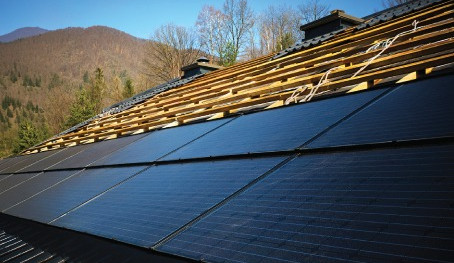
By the time photovoltaics enters many projects, the architecture has already moved on.
The roof build-up is fixed. The facade rhythm has been approved. Materials, colours and proportions have been decided. Solar then arrives as equipment that must be placed wherever space remains.
The result is a false choice: protect the architectural intent or accept the energy solution as a visible compromise.
The problem is not simply how a module looks. The problem is when the module enters the design process.
The Difference Is Not the Module. It Is the Moment.
A conventional photovoltaic discussion begins with product selection: power, dimensions and price. Architectural solar should begin one step earlier, with design intent.
A module specified too late becomes equipment. Specified early, it can become architecture.
When solar enters the project early, the architect can decide what the energy-producing surface should do: blend with the building, transmit natural light or replace part of the conventional roof. Those decisions can then guide geometry, colour, transparency, mounting and detailing instead of being constrained by them.
Three Questions Before Three Products
Should the surface blend with the roof or its surroundings? BISOL Spectrum introduces colour where a standard black module would compete with the building or setting.
Should the surface transmit natural light? BISOL Lumina combines photovoltaic generation with transparency for canopies, skylights, pergolas and other light-sensitive spaces.
Should the photovoltaic surface become the roof? BISOL BIPV replaces part of the conventional roof solution instead of being added above it.
These are not three decorative versions of the same product. They are three responses to different architectural intentions.
Early Decisions Preserve More Choices
Bringing the photovoltaic manufacturer into the project early does not limit design freedom. It keeps viable choices open.
Architects, engineers and installers can coordinate module geometry, visual rhythm, mounting logic and connection details before procurement and construction turn every adjustment into a compromise.
It also gives the client a clearer decision. The project no longer has to choose between a building that looks resolved and an energy system that performs. The two can be designed as one solution.
Why BISOL
For more than two decades, BISOL has designed and manufactured photovoltaic modules in Europe. Its architectural range offers colour, transparency and building integration for projects where appearance is part of performance.
That experience allows BISOL to contribute before the module is reduced to a late product choice - while the project can still benefit from real design alternatives.
Solar Belongs in the Concept
The best-looking solar projects are not created by hiding photovoltaics. They are created by designing with it from the beginning.
A module specified too late becomes equipment. Specified early, it can become architecture.
Bring BISOL into the project before the roof specification is closed. Explore Spectrum, Lumina and BIPV.


